
The Strategic Blueprint: Navigating UAE Free Zone Licenses in 2026
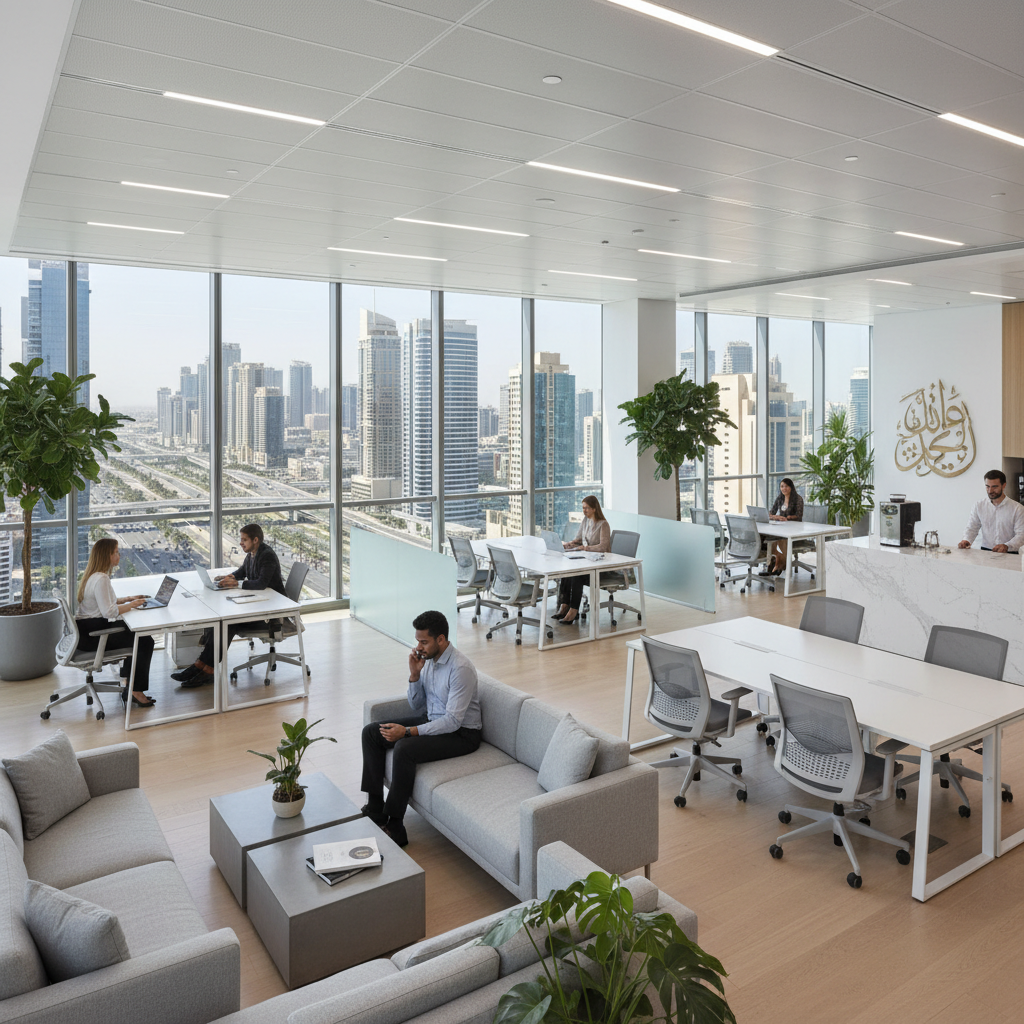
The UAE’s free zone landscape remains one of the most competitive globally, specially heading into 2026. While the basic advantages of 100% foreign ownership and full repatriation of profits are well-known, the shift toward sector-specific specialization and enhanced corporate tax compliance has changed the landscape for entrepreneurs.
Selecting a free zone license is no longer just about finding the lowest entry price—it is about strategic placement, operational efficiency, and future-proofing your business against evolving international tax standards.
Defining Your Business Activity
The initial step in obtaining a free zone license is the precise mapping of your business activities to the jurisdiction’s approved list. In 2026, free zones have expanded their activity lists to include niche sectors such as AI development, sustainable energy consulting, and decentralized finance (DeFi) services.
A critical mistake many investors make is choosing a generic "Consultancy" or "General Trading" license when a specialized activity could offer better access to targeted infrastructure or specific banking perks. For instance, a technology-focused license in Dubai Internet City (DIC) or Sharjah Research Technology and Innovation Park (SRTIP) provides networking opportunities that a generalist license in a traditional trade-focused zone might not.
Physical vs. Virtual: The Substance Requirement
In the current regulatory environment, the "Flexi-desk" or virtual office package is still a popular entry-level option. However, investors must be aware of Economic Substance Regulations (ESR). If your business generates income from specific "Relevant Activities," you must demonstrate adequate economic substance in the UAE.
For businesses looking to scale, opting for a physical office space within the free zone is increasingly recommended. Not only does this fulfill substance requirements, but it also significantly simplifies the corporate bank account opening process—a known hurdle for new entities in the region.
The Financial Framework: Corporate Tax and VAT
As of 2026, the UAE’s 9% corporate tax regime is a permanent fixture of the business landscape. Free Zones still offer a 0% corporate tax rate on "Qualifying Income," provided the entity maintains adequate substance and complies with all regulatory filings.
When applying for your free zone license, you must ensure your accounting systems are ready from day one. Failure to register for VAT (if your taxable supplies exceed AED 375,000) or failing to keep audited financial records can lead to significant penalties that negate the cost-savings of a free zone setup.
Strategic Selection: Which Free Zone is Right?
The UAE hosts over 45 free zones. Choosing the right one depends heavily on your logistics and target market:
- Logistics and Distribution: Jebel Ali Free Zone (JAFZA) and Dubai South remain the gold standard due to their proximity to DP World’s port and Al Maktoum International Airport.
- Media and Creative: Dubai Media City and twofour54 in Abu Dhabi offer specialized permits for freelancers and content production houses.
- Cost-Effective Startups: Northern Emirates zones like IFZA (International Free Zone Authority) or Meydan Free Zone offer competitive pricing with incredibly fast processing times, often issuing licenses within 48 to 72 hours.
- Multi-Commodity Trade: DMCC (Dubai Multi Commodities Centre) is ideal for gold, diamond, and tea trading, as well as general commodities.
The Lifecycle of a Free Zone License
Acquiring the license is only the first phase. Maintaining it involves several recurring responsibilities:
Annual Renewals
Free zone licenses are typically renewed annually. This requires a renewal fee and, in many cases, a valid lease agreement for your office space. Some jurisdictions now offer multi-year licenses (up to three years) at a discounted rate, which is a prudent strategy for long-term investors to lock in current pricing.
Visa Allocations (The Quota)
Your license type and the size of your office space determine your visa quota. A standard flexi-desk usually allows for 2 to 3 visas. If you plan to hire a larger team, you must upgrade to a physical office early in the process to avoid delays in work permit issuance.
Compliance and Reporting
Beside the tax obligations mentioned, businesses must register with the GoAML portal to combat money laundering and ensure they are compliant with Ultimate Beneficial Owner (UBO) declarations. Free zone authorities have become more stringent with these filings in 2026.
Banking Synergy
One of the most overlooked aspects of choosing a free zone license is its "bankability." Not all free zones are viewed equally by Tier-1 UAE banks. New investors should consult with business setup experts to identify which free zones currently have the smoothest approval pathways with major financial institutions. Choosing a zone that the bank perceives as "low risk" can reduce your account opening timeline from months to weeks.
Future-Proofing Your Business Setup
The UAE’s vision for 2026 and beyond involves an "integrated" environment. We are seeing more bridges between free zone entities and "onland" operations. Many free zones now have agreements that allow their companies to participate in government tenders or work more closely with mainland entities through specific branch structures.
Navigating the nuances of license types, tax residency, and visa processing requires a proactive approach. By selecting the right jurisdiction and maintaining rigorous compliance, your UAE free zone license becomes more than a permit—it becomes a strategic asset in a globalized economy.